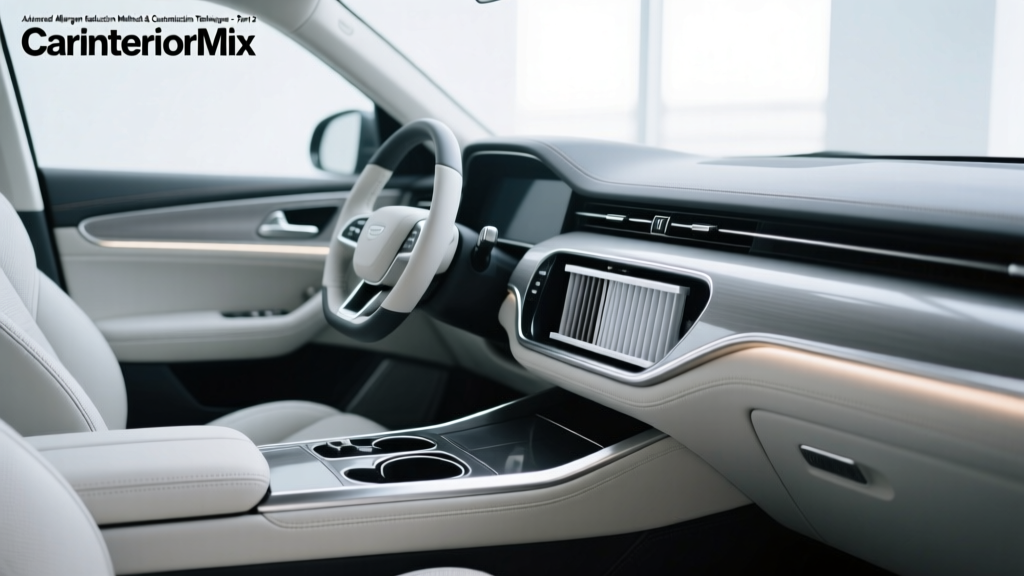
Allergen Reduction Methods for Car Interiors (2026)
If you?ve already tackled the basics?vacuuming regularly, wiping hard surfaces, and swapping a worn cabin air filter?yet you still sneeze the moment you close the door, you?re not alone. Modern vehicles are surprisingly good at trapping pollen, dust mite debris, pet dander, and mold spores in tight seams, porous fabrics, and HVAC ductwork. The result is a ?clean-looking? cabin that still triggers allergies.
This second part of our advanced allergen-reduction series focuses on higher-impact methods and smart customization techniques: targeted extraction, steam and enzyme strategies, HVAC hygiene, and material upgrades that make your interior easier to keep allergy-friendly. The goal isn?t to make your cabin sterile?it?s to dramatically reduce allergen load and keep it low with less effort.
Whether you daily-drive a commuter car, haul pets in an SUV, or maintain a weekend show vehicle, these methods help you build a personalized, long-term approach to cleaner air and more comfortable drives.
How Allergens Stay in a ?Clean? Car (And Why Advanced Methods Work)
Allergens persist because the car interior is a mix of:
- Porous materials (cloth seats, carpets, headliners) that hold fine particles.
- Static-prone plastics that attract dust and pollen like a magnet.
- Hidden zones (seat rails, under-console gaps, trunk seams) that rarely get fully cleaned.
- HVAC pathways that can spread spores and dust through vents even after you?ve detailed the cabin.
Advanced allergen reduction works because it addresses the ?source areas? and uses methods that remove or neutralize allergens rather than just moving them around.
Method 1: Deep Extraction Cleaning for Fabrics and Carpets
If your interior has cloth seats or carpeted floors, hot water extraction (or low-moisture extraction) is one of the most effective ways to pull embedded allergens out of fibers.
Best Use Cases
- Seasonal pollen buildup (spring/fall)
- Pet dander in rear seats or cargo area
- Dust and grit ground into floor mats and footwells
- Spilled drinks that can lead to mold or odor
Step-by-Step: Safe Extraction at Home
- Dry vacuum first (thoroughly). Use a crevice tool around seat rails, between cushions, and along carpet edges. Extraction without vacuuming first can turn dust into muddy residue.
- Pre-treat high-load areas. Mist an upholstery-safe cleaner on seat centers, armrests, and carpet traffic zones. Let it dwell 3?5 minutes (don?t let it dry).
- Agitate gently. Use a soft upholstery brush for cloth seats; a medium brush for carpet. The goal is to lift particles, not fuzz the fabric.
- Extract with controlled moisture. Make slow passes and overlap. Do one wet pass followed by one or two ?dry? suction-only passes to pull out as much moisture as possible.
- Dry fast. Open doors, run fans, and if possible use a dehumidifier in the garage. Quick drying prevents mold spores from gaining a foothold.
Real-World Example
A dog-friendly crossover with cloth seats often looks fine after vacuuming, but allergens stay embedded in the seat backs and cargo carpet. A twice-yearly extraction?spring pollen season and before winter?can noticeably reduce ?instant sneezing? after you start driving, especially when paired with a HEPA cabin air filter.
Product Recommendations (What to Look For)
- Portable extractors: Choose strong suction and a tough hose. Units from Bissell (SpotClean line) and Hoover (CleanSlate line) are popular for interiors.
- Upholstery cleaners: Look for low-residue formulas to avoid re-soiling and dust attraction.
- Microfiber towels: Use dedicated towels for interior fabrics to avoid cross-contamination from exterior detailing.
Method 2: Steam Cleaning?Powerful, But Use It Like a Pro
Steam is excellent for allergen reduction because it can loosen grime in seams, sanitize contact surfaces, and reduce biological contamination without heavy chemical use. The catch: too much heat or moisture can damage modern interiors.
Where Steam Helps Most
- Seat tracks, stitching, and tight crevices
- Plastic texture pores (dash, door panels)
- Rubber floor mats and pedals
- Hard-to-clean cupholders and console edges
Step-by-Step: Steam Without Damage
- Use low moisture output. You want vapor, not a soaking wet jet.
- Keep the nozzle moving. Don?t dwell in one spot?especially on soft-touch plastics.
- Use a towel-wrapped tip. For dashboards and screens nearby, wrap the nozzle with a microfiber towel to prevent direct blast and capture loosened dust.
- Wipe immediately. Follow steam with a clean microfiber to lift contaminants off the surface.
- Avoid sensitive areas. Be cautious around headliners, infotainment screens, instrument clusters, and unsealed leather edges.
Steam Cleaner Shopping Tips
- Choose a unit with controlled pressure and quality attachments.
- Avoid bargain units that spit water droplets?over-wetting is the main cause of stains and mold after steaming.
Method 3: Enzyme and Odor-Neutralization Strategies (Pet Dander, Food, and Bio Residue)
Allergens often ride along with organic residue: pet saliva proteins, skin oils, food particles, and damp spots. Enzyme cleaners break down organic material so it can be extracted or wiped away more completely.
When Enzymes Make a Big Difference
- Pet ?hot spots? on seats and door panels
- Kid snack zones (crumbs + sticky residue)
- Unknown odors that return after cleaning
Step-by-Step: Enzyme Use That Actually Works
- Test in an inconspicuous area. Especially on dyed cloth, Alcantara-style suede, and older leather.
- Apply lightly?don?t soak. Enzymes need contact, not flooding.
- Give it dwell time. Follow the label. Cutting dwell time is the most common reason enzymes ?don?t work.?
- Blot and extract. Use a towel and then extraction if possible to remove the broken-down residue.
- Dry thoroughly. Airflow prevents musty smells and future mold.
Product Direction
Look for reputable automotive-safe enzyme cleaners (often marketed for pet odors). Avoid harsh ?cover-up? fragrances?strong scents can irritate allergies even if they mask odors.
Method 4: HVAC Hygiene?The Allergen Highway You Can?t Ignore
You can detail every surface and still breathe pollen and dust if your HVAC system is contaminated. Cabin air quality is heavily influenced by the cabin air filter, evaporator area, and ductwork.
Upgrade Your Cabin Air Filter (HEPA / High-Efficiency Options)
For many vehicles, a high-efficiency or HEPA-style cabin air filter is one of the best cost-to-benefit upgrades for allergy season.
- Standard filters: Catch larger dust but may let fine pollen through.
- Activated carbon filters: Help with odors and some gases; good for urban driving.
- HEPA / high-efficiency filters: Better at capturing fine particles; ideal for allergy-sensitive drivers.
Step-by-Step: HVAC Refresh Routine (30?45 minutes)
- Replace the cabin air filter first. If you clean ducts and keep an old filter, it reintroduces debris.
- Vacuum intake areas. Clear leaves and dust at the cowl intake (base of windshield) if accessible.
- Run the fan on fresh air. Windows down, fan medium-high for 5 minutes to purge stagnant air.
- Switch to recirculation. Run 5 minutes to circulate through cabin pathways.
- Use an HVAC-safe cleaner if needed. If you have musty smells, consider an evaporator or vent treatment designed for automotive HVAC systems. Follow product instructions carefully and avoid soaking electronics.
- Finish with drying mode. Before parking, run the fan for a couple minutes with A/C off to reduce moisture on the evaporator (helps prevent mold).
Real-World Example
If your allergies spike only when the fan turns on, that?s a classic sign the cabin air filter is overloaded or the evaporator area has microbial growth. Upgrading to a high-efficiency cabin filter and adopting the ?fan-only before parking? habit can noticeably reduce symptoms in humid climates.
Method 5: Anti-Allergen Interior Customization (Materials and Protection That Reduce Future Build-Up)
The cleanest car is the one that stays easy to clean. A few smart interior modifications can reduce how much allergens accumulate and how deeply they embed.
Upgrade Floor Protection
- All-weather mats (high-sided): Trap pollen, mud, and dust before it reaches carpet fibers.
- Cargo liners: Essential if you transport pets, strollers, sports gear, or gardening supplies.
Seat Protection Options
- Washable seat covers: Great for pet owners and families. Look for snug fit and easy removal.
- Leather or leatherette upkeep: Smooth surfaces don?t trap allergens like cloth, but seams and perforations still need attention.
Surface Protection That Doesn?t Attract Dust
Avoid greasy ?shine? dressings that make plastics tacky and dust-loving. Choose a dry-to-the-touch interior protectant with a factory-matte finish. This reduces static attraction and makes wipe-downs more effective.
Product Comparisons: What?s Worth Spending On?
- Best ROI for most drivers: High-efficiency cabin air filter + all-weather mats + quarterly deep vacuuming.
- Best for pet owners: Washable seat covers + portable extractor + enzyme cleaner.
- Best for humid climates: HVAC cleaning routine + moisture control habits (dry-out fan run, quick spill response).
- Best for enthusiasts/detailers: Steam cleaner with good attachments + extractor + dedicated interior microfiber set.
Common Mistakes That Keep Allergens Coming Back
- Skipping the dry vacuum stage before extraction or shampooing (turns dust into residue).
- Over-wetting seats and carpets (invites mildew and musty odors).
- Using oily dressings that attract dust and pollen.
- Ignoring the HVAC system while obsessing over visible surfaces.
- Cleaning with overly fragrant products that trigger sensitivities.
- Reusing dirty towels and brushes across the cabin (cross-contamination is real).
Practical Maintenance Schedule (Simple and Realistic)
Weekly (10?15 minutes)
- Quick vacuum of driver footwell and seats
- Microfiber wipe of steering wheel, console, and armrests
- Shake out or rinse all-weather mats
Monthly (30?60 minutes)
- Crevice vacuum between seats and along carpet edges
- Clean interior glass (reduces film that traps dust)
- Wipe door jambs and lower door panels where pollen collects
Seasonal (2?4 times per year)
- Replace or upgrade cabin air filter (more often during heavy pollen)
- Extraction clean seats/carpets (or at least high-traffic zones)
- HVAC refresh routine and odor check
FAQ: Advanced Allergen Reduction for Car Interiors
1) Do HEPA cabin air filters fit every car?
Not always. Many vehicles have high-efficiency options that approach HEPA performance, but availability depends on the filter size and manufacturer. If a true HEPA option isn?t available, choose the highest-efficiency filter from a reputable brand and replace it more frequently during allergy season.
2) Will an ozone generator remove allergens?
Ozone is primarily an odor treatment, not an allergen ?remover,? and it can be risky if misused. It doesn?t physically remove pollen or dander from fabrics, and improper use can irritate lungs and degrade interior materials. For allergen reduction, prioritize extraction, HVAC filtration, and surface cleaning.
3) Is steam cleaning safe for leather seats?
Steam can be safe with careful technique?low moisture, fast movement, and immediate wiping?but avoid blasting seams, perforations, and edges. Afterward, use a leather-appropriate cleaner/conditioner if needed to maintain the finish.
4) Why does my car smell musty when the A/C turns on?
That?s commonly microbial growth on or near the evaporator core, especially in humid climates or if the car is shut off right after running A/C. Replace the cabin air filter, consider an HVAC-safe evaporator treatment, and start the habit of running the fan for a minute or two with A/C off before parking.
5) Can detailing sprays make allergies worse?
Yes. Strong fragrances and certain solvents can irritate sensitive drivers even if the cabin looks clean. Choose low-odor, interior-safe products and aim for a dry, matte finish that doesn?t attract dust.
6) What?s the fastest way to reduce pollen inside the car during spring?
Use recirculation while driving in heavy pollen areas, upgrade the cabin air filter, wipe down the dash/console weekly with a damp microfiber, and rinse mats often. If symptoms persist, do a targeted extraction on seats and carpets where pollen settles.
Actionable Next Steps
- Start with the HVAC: Replace the cabin air filter (high-efficiency if possible) and run a quick HVAC refresh.
- Remove what?s embedded: Do an extraction clean on carpets and cloth seats, focusing on high-contact zones.
- Customize for easier upkeep: Add high-sided all-weather mats and a cargo liner; consider washable seat covers if you have pets.
- Lock in a schedule: Weekly quick clean + seasonal deep clean prevents allergens from rebuilding.
If you want more practical interior care routines, material-specific cleaning tips, and upgrade guides, explore the rest of our articles on carinteriormix.com.